2026 Nissan Kicks: What is the Driver Assistance Technology?
The Nissan Kicks uses an integrated network of cameras, radar sensors, ultrasonic sensors and electronic control units to monitor the vehicle’s surroundings and assist the driver during everyday driving. Rather than functioning as isolated features, the active safety technologies available on the Canadian-market Kicks work together to detect potential hazards, provide timely driver alerts and, […]
The Nissan Kicks uses an integrated network of cameras, radar sensors, ultrasonic sensors and electronic control units to monitor the vehicle’s surroundings and assist the driver during everyday driving. Rather than functioning as isolated features, the active safety technologies available on the Canadian-market Kicks work together to detect potential hazards, provide timely driver alerts and, in certain situations, assist with braking or steering-related functions. These systems are designed to support the driver—not replace attentive driving—and their performance depends on road, weather and visibility conditions.
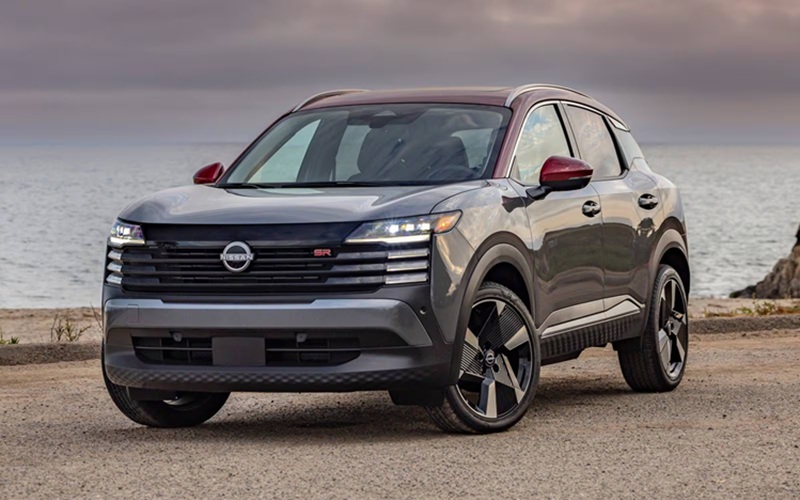
Nissan Kicks Driver Assistance Systems
The Nissan Kicks combines multiple active safety technologies into a coordinated driver assistance system that continuously evaluates the driving environment.
Driver assistance technology refers to electronic systems that monitor vehicle operation and surrounding traffic to help reduce driver workload and improve situational awareness. Unlike passive safety equipment such as airbags and seat belts, active safety systems operate before a collision by detecting developing hazards and assisting the driver when appropriate.
On the Canadian-market Nissan Kicks, these technologies exchange information through electronic control modules that process data from multiple sensors simultaneously. Rather than relying on a single source of information, the vehicle compares inputs from cameras, radar and vehicle dynamics sensors to determine whether warnings or interventions are necessary.
Depending on vehicle equipment, these technologies support functions such as:
- Forward collision monitoring
- Automatic emergency braking
- Pedestrian detection under appropriate conditions
- Blind Spot Warning
- Rear Cross Traffic Alert
- Lane Departure Warning
- Intelligent Lane Intervention
- Intelligent Cruise Control
- Traffic Sign Recognition
- High Beam Assist
- Intelligent Around View® Monitor
Because these systems communicate with one another, the Kicks develops a more complete understanding of surrounding traffic than would be possible through individual technologies operating independently.
Cameras, Sensors and Vehicle Monitoring
The Nissan Kicks continuously monitors its surroundings by combining visual, radar and vehicle motion data.
Every driver assistance feature depends on accurate environmental information.
Forward Camera
A forward-facing camera mounted near the windshield observes the roadway ahead.
The camera identifies features such as:
- Lane markings
- Vehicles
- Certain pedestrians under appropriate conditions
- Certain cyclists under appropriate conditions
- Speed limit and selected traffic signs
- Road edges
Image-processing software evaluates these visual inputs many times per second to support multiple driver assistance functions.
Because the camera relies on visible light, performance can be influenced by snow, glare, heavy rain or dirt on the windshield.
Forward Radar
The Kicks also uses forward radar to determine:
- Distance to vehicles ahead
- Relative closing speed
- Vehicle position
- Speed differences
Unlike the camera, radar measures reflected radio waves rather than visible light, allowing accurate distance calculations under many lighting conditions.
Radar and camera information complement one another, improving overall system accuracy.
Ultrasonic Sensors
Depending on trim level, ultrasonic sensors positioned around the vehicle assist during low-speed manoeuvres.
These sensors monitor nearby objects during:
- Parking
- Reversing
- Tight urban manoeuvres
The data contributes to parking assistance technologies and the available Intelligent Around View® Monitor.
Vehicle Motion Sensors
Additional onboard sensors monitor vehicle behaviour, including:
- Wheel speed
- Steering angle
- Brake pressure
- Accelerator position
- Vehicle yaw
- Lateral acceleration
These measurements allow driver assistance systems to compare intended vehicle movement with actual vehicle behaviour.
Electronic Control Units
Electronic control units receive information from every sensor and evaluate changing traffic conditions in real time.
When required, these modules can activate:
- Visual warnings
- Audible alerts
- Brake assistance
- Steering assistance where applicable
The objective is to assist the driver while maintaining smooth and predictable vehicle operation.
How Safety Technologies Work Together
The Nissan Kicks coordinates multiple driver assistance systems so that information gathered by one technology benefits several others.
Instead of acting independently, the systems share common sensor data and vehicle information.
Automatic Emergency Braking with Pedestrian Detection
Automatic Emergency Braking continuously evaluates the distance and closing speed between the Kicks and objects ahead.
If a potential frontal collision becomes increasingly likely, the system generally progresses through several stages:
- Driver warning
- Increased alert intensity
- Brake assistance
- Automatic braking under appropriate conditions
Pedestrian Detection uses camera and sensor information to recognize certain pedestrians in front of the vehicle when operating within system capabilities.
Intelligent Forward Collision Warning
Unlike systems that monitor only the immediately preceding vehicle, Intelligent Forward Collision Warning can also evaluate traffic behaviour farther ahead by monitoring multiple vehicles in the traffic stream. This allows earlier driver alerts when traffic begins slowing unexpectedly.
Blind Spot Warning and Rear Cross Traffic Alert
These systems work together to improve awareness around the vehicle. Blind Spot Warning monitors adjacent lanes for vehicles approaching areas that are difficult to see using mirrors alone. Rear Cross Traffic Alert assists when reversing from parking spaces by monitoring approaching cross traffic from either side. Together, these technologies improve awareness during lane changes and reversing manoeuvres.
Lane Departure Warning and Intelligent Lane Intervention
The forward camera monitors lane markings to determine whether the Kicks is unintentionally drifting from its lane. If lane departure is detected without signalling, the system may first issue visual and audible alerts. Depending on vehicle equipment and operating conditions, Intelligent Lane Intervention may apply gentle braking assistance to help guide the vehicle back toward the centre of the lane.
Intelligent Cruise Control
Intelligent Cruise Control automatically adjusts vehicle speed to maintain a selected following distance from traffic ahead.
The system uses radar and camera data to:
- Detect slower vehicles
- Reduce vehicle speed
- Resume the selected cruising speed when traffic conditions permit
Because the same sensor network supports Automatic Emergency Braking, both systems benefit from common vehicle detection data.
Intelligent Around View® Monitor
Available Intelligent Around View® Monitor combines images from multiple exterior cameras to generate a virtual overhead view of the vehicle.
This assists drivers during:
- Parking
- Garage entry
- Parallel parking
- Low-speed manoeuvring
The system supplements direct observation but does not replace careful visual checks.
System Limitations and Driver Responsibilities
Driver assistance technologies enhance awareness but cannot replace an attentive driver.
Every electronic safety system operates within defined limits.
Performance may be reduced when:
- Lane markings are faded
- Heavy snowfall covers road markings
- Ice blocks sensors
- Dense fog limits visibility
- Direct sunlight creates glare
- Heavy rain obscures the camera
- Construction zones alter lane boundaries
- Road surfaces become heavily contaminated
Drivers remain responsible for:
- Steering
- Braking
- Acceleration
- Speed selection
- Observing traffic
- Monitoring weather conditions
Hands should remain on the steering wheel whenever driver assistance systems are active. These technologies are designed to assist decision-making, not automate vehicle operation.
Canadian Driving Considerations
Canadian weather presents unique operating conditions that influence camera- and radar-based driver assistance technologies.
Seasonal weather changes affect how sensors interpret the surrounding environment.
Snow and Ice
Snow accumulation on the windshield, front fascia or camera mounting area can reduce sensor visibility. Removing snow and ice before driving helps restore normal system operation.
Road Salt
Winter road salt can accumulate on cameras, radar sensors and exterior vehicle surfaces. Regular cleaning helps maintain sensor accuracy throughout the winter season.
Heavy Rain and Fog
Heavy precipitation may temporarily reduce the performance of camera-based systems. Radar generally remains effective in many situations, although severe weather can influence overall detection capability.
Low Winter Sun
During sunrise and sunset, low-angle sunlight may reduce camera visibility through glare.
Drivers should remain prepared to assume complete control whenever environmental conditions limit system performance.
Seasonal Tire Changes
Winter tires improve available traction during cold-weather driving. Because systems such as Automatic Emergency Braking, Vehicle Dynamic Control and Intelligent Cruise Control depend on available tire grip, proper seasonal tires help these technologies perform more effectively.
Everyday Ownership Benefits
Driver assistance technology contributes to a more informed and less demanding daily driving experience.
The Nissan Kicks is frequently used in urban environments where traffic density, pedestrians and frequent parking manoeuvres require constant driver attention.
Its integrated safety technologies support everyday driving by helping drivers:
- Monitor surrounding traffic
- Maintain lane position
- Manage following distances
- Detect nearby vehicles
- Improve parking awareness
- Recognize certain traffic signs
Because these systems operate continuously in the background, they often assist before drivers consciously recognize developing situations.
The combination of compact vehicle dimensions and integrated driver assistance technologies also makes the Kicks particularly well suited to city driving, where changing traffic conditions require constant awareness.
Take Advantage of Your Nissan Kicks Technology
The Nissan Kicks uses an integrated driver assistance architecture that combines cameras, radar sensors, ultrasonic sensors and electronic control units to support safer everyday driving. Rather than functioning as separate technologies, systems such as Automatic Emergency Braking, Intelligent Forward Collision Warning, Blind Spot Warning, Lane Departure Warning and Intelligent Cruise Control continuously exchange information to build a comprehensive picture of the driving environment.
Canadian driving conditions—including snow, ice, rain, road salt and changing visibility—can influence system performance, making it important for drivers to understand both the capabilities and limitations of these technologies. When combined with attentive driving and proper vehicle maintenance, the Kicks’ driver assistance systems provide an additional layer of support that enhances awareness without replacing the driver’s responsibility for safe vehicle operation.
2026 Nissan Kicks FAQ
Does the 2026 Nissan Kicks drive itself?
No. It provides driver assistance through electronic safety technologies, but the driver remains fully responsible for steering, braking, acceleration and monitoring traffic.
What sensors are used by the Nissan Kicks driver assistance systems?
Depending on vehicle equipment, it uses a forward-facing camera, forward radar, ultrasonic parking sensors and multiple vehicle motion sensors to monitor its surroundings.
Can the driver assistance systems operate during Canadian winters?
Yes, but heavy snow, ice, road salt, dense fog and poor visibility may temporarily reduce the effectiveness of camera- and radar-based systems until sensors are clean and environmental conditions improve.
How do Automatic Emergency Braking and Intelligent Forward Collision Warning work together?
Intelligent Forward Collision Warning provides early alerts by monitoring traffic ahead, while Automatic Emergency Braking can assist with braking if the risk of a frontal collision continues to increase and operating conditions permit.
Why are winter tires still important if the Kicks has advanced driver assistance technology?
Driver assistance systems rely on available tire grip. Winter tires improve traction during cold-weather driving, allowing braking, stability and active safety technologies to operate more effectively on snow- and ice-covered roads.
Disclaimer: Content contained in this post is for informational purposes only and may include features and options from US or internacional models. Please contact the dealership for more information or to confirm vehicle, feature availability.