2026 Nissan Kicks: What Engine Powers This Compact SUV?
Compact sport utility vehicles balance efficiency, practicality, and everyday driving capability. The new Nissan Kicks uses a gasoline engine engineered for urban commuting and light highway travel, delivering reliable performance while maintaining fuel efficiency. In modern vehicles like the Kicks, the engine works alongside electronic control systems, fuel delivery systems, and drivetrain components to deliver […]
Compact sport utility vehicles balance efficiency, practicality, and everyday driving capability. The new Nissan Kicks uses a gasoline engine engineered for urban commuting and light highway travel, delivering reliable performance while maintaining fuel efficiency. In modern vehicles like the Kicks, the engine works alongside electronic control systems, fuel delivery systems, and drivetrain components to deliver smooth, consistent power.
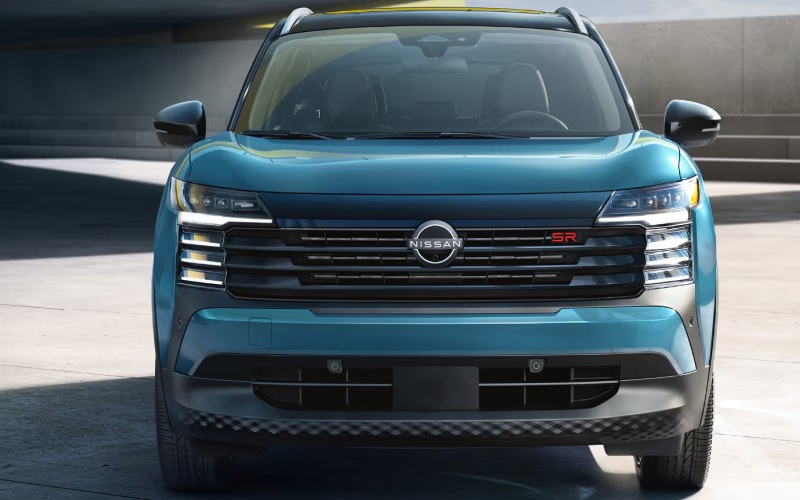
Understanding the engine that powers the Kicks helps explain how the vehicle accelerates, maintains speed, and operates efficiently during everyday driving. Modern engines rely on precise fuel injection, electronic monitoring systems, and optimized airflow to convert fuel energy into mechanical motion that drives the wheels.
2026 Nissan Kicks Engine
The engine in the Nissan Kicks delivers efficient power while maintaining compact packaging in the engine compartment. Modern compact SUV engines prioritize efficiency and smooth operation, particularly for urban driving conditions.
The main engine components include:
- Cylinder block and cylinder head
- Pistons and connecting rods
- Crankshaft
- Fuel injection system
- Air intake system
- Exhaust system
- Cooling system
- Electronic engine control module
Each of these systems works together to ensure the engine can operate reliably and efficiently under varying driving conditions.
Four-Cylinder Engine Configuration
Inline Cylinder Layout
The engine used in the Kicks features an inline four-cylinder configuration, meaning the four cylinders are arranged in a straight line inside the engine block.
This design offers several advantages:
- Compact engine size
- Efficient fuel consumption
- Balanced operation for everyday driving
Inline four-cylinder engines are commonly used in compact vehicles because they provide sufficient power while keeping engine weight relatively low.
Engine Displacement
Engine displacement refers to the total volume of all cylinders combined. Displacement influences how much air and fuel the engine can process during each combustion cycle.
Smaller-displacement engines typically prioritize efficiency, while larger-displacement engines may produce greater power.
The engine in the Kicks is designed to balance these factors for urban driving conditions.
Internal Combustion Process
Four-Stroke Engine Cycle
The engine operates using a four-stroke combustion cycle that converts fuel energy into mechanical motion.
The four strokes include:
- Intake stroke – Air enters the cylinder along with fuel delivered by the injection system.
- Compression stroke – The piston compresses the air–fuel mixture.
- Power stroke – A spark plug ignites the compressed mixture, producing combustion.
- Exhaust stroke – Burned gases exit through the exhaust valves.
These steps occur repeatedly while the engine runs, producing rotational motion that turns the crankshaft.
Crankshaft Rotation
The crankshaft converts the up-and-down movement of the pistons into rotational motion. This rotational force is then transmitted through the drivetrain to move the vehicle.
The crankshaft must remain precisely balanced to ensure smooth engine operation.
Fuel Injection System
Electronic Fuel Delivery
The Nissan Kicks uses electronic fuel injection to deliver fuel into the engine’s cylinders.
Fuel injectors spray a controlled amount of fuel as a fine mist, allowing it to mix efficiently with incoming air.
Precise fuel delivery improves:
- Combustion efficiency
- Engine performance
- Emissions control
Fuel System Components
The fuel system includes several components:
- Fuel pump
- Fuel lines
- Fuel injectors
- Fuel pressure regulators
Sensors monitor engine operating conditions and allow the engine control module to determine the correct fuel quantity for each combustion cycle.
Air Intake System
Airflow Management
For combustion to occur, the engine must receive a steady supply of clean air. The air intake system manages airflow into the engine.
Key components include:
- Air filter
- Intake ducts
- Throttle body
- Airflow sensors
The air filter removes dust and debris from incoming air, protecting internal engine components.
Throttle Control
The throttle body regulates how much air enters the engine. When the driver presses the accelerator pedal, the throttle opens, allowing more air into the intake system.
The engine control module adjusts fuel delivery to match the increased airflow.
Cooling System
Temperature Control
Engines generate heat during combustion, and maintaining proper temperature is essential for reliable operation.
The cooling system circulates coolant through passages in the engine block and cylinder head to absorb excess heat.
Cooling System Components
The system typically includes:
- Radiator
- Water pump
- Thermostat
- Cooling hoses
- Cooling fans
Heat absorbed by the coolant is transferred to the radiator, where airflow removes excess heat.
Maintaining stable temperature prevents overheating and protects engine components.
Exhaust System
Removing Combustion Gases
After combustion occurs, exhaust gases exit the engine through the exhaust manifold.
These gases travel through the exhaust system, which includes:
- Catalytic converter
- Exhaust piping
- Muffler
The catalytic converter helps reduce harmful emissions by converting certain gases into less harmful compounds before they exit the vehicle.
Engine Control Module
Electronic Engine Management
Modern engines rely on electronic control systems to regulate performance and efficiency.
The engine control module receives data from sensors that measure:
- Engine speed
- Airflow entering the engine
- Oxygen levels in exhaust gases
- Engine temperature
Based on this information, the module adjusts fuel injection timing and ignition timing to maintain efficient combustion.
Diagnostic Monitoring
The control module also monitors system performance and can detect irregularities in engine operation.
If a problem is detected, warning indicators may appear on the vehicle’s instrument panel.
Interaction with the Transmission
Although the transmission is separate from the engine, it plays a crucial role in how engine power reaches the wheels.
The transmission adjusts gear ratios so the engine can operate efficiently at different speeds.
Lower gears provide higher torque for acceleration, while higher gears allow the engine to run at lower speeds during steady cruising.
This coordination between engine output and transmission gearing ensures efficient operation during city and highway driving.
2026 Nissan Kicks FAQ Section
What type of engine does the 2026 Nissan Kicks use?
- It uses a four-cylinder gasoline engine designed for efficient everyday driving.
How does the engine generate power?
- The engine produces power through controlled combustion inside the cylinders, which pushes pistons and rotates the crankshaft.
Why are four-cylinder engines common in compact SUVs?
- Four-cylinder engines provide a balance between fuel efficiency, compact size, and sufficient power for everyday driving.
What controls fuel delivery in modern engines?
- Electronic fuel injection systems controlled by the engine control module regulate fuel delivery based on sensor data.
How does the cooling system protect the engine?
- The cooling system circulates coolant through the engine to remove heat and maintain proper operating temperatures.
Disclaimer: Content contained in this post is for informational purposes only and may include features and options from US or internacional models. Please contact the dealership for more information or to confirm vehicle, feature availability.