The Nissan Service You Should Do Before Winter Comes
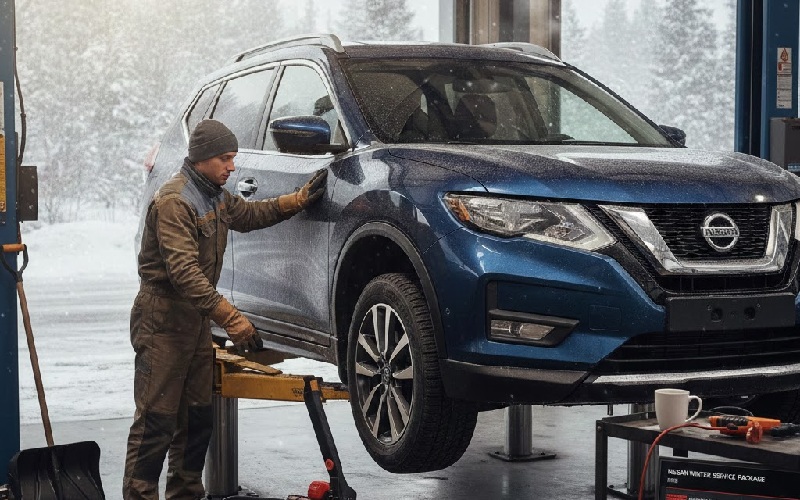
Winter presents unique challenges for vehicles, with freezing temperatures, icy roads, and harsh conditions that can test even the most robust Nissan models. Preparing your Nissan before the cold season arrives not only ensures your safety but also protects your investment and extends your vehicle’s longevity. A proactive approach to winter maintenance can prevent unexpected […]
Winter presents unique challenges for vehicles, with freezing temperatures, icy roads, and harsh conditions that can test even the most robust Nissan models. Preparing your Nissan before the cold season arrives not only ensures your safety but also protects your investment and extends your vehicle’s longevity. A proactive approach to winter maintenance can prevent unexpected breakdowns and costly repairs when temperatures drop.
Battery Inspection and Testing
Your Nissan battery faces significant strain during the winter months. Cold temperatures can reduce battery capacity by up to 50%, making it crucial to verify its condition before winter arrives. A comprehensive battery service includes:
- Professional testing of battery charge levels and overall health
- Cleaning of battery terminals and posts to prevent connection issues
- Inspection of the charging system and belts
- Replacement recommendations if your battery shows signs of weakness
The Nissan-trained technicians use specialized diagnostic equipment to assess your battery’s condition accurately. Most batteries last 3-5 years, so if yours is approaching that age, consider a proactive replacement rather than risking failure during frigid weather.
Oil and Filter Changes
Engine oil thickens in cold temperatures, making it more difficult for your Nissan engine to turn over and potentially causing increased wear. Winter-grade oils flow more easily in cold conditions, ensuring proper lubrication from the moment you start your vehicle.
Your Nissan requires the correct oil viscosity for optimal winter performance. The Nissan service team will:
- Drain old oil and replace it with the manufacturer-recommended winter-grade oil
- Install a new, high-quality oil filter
- Check for any leaks in the system
- Reset the oil life monitor in your vehicle’s computer system
Regular oil changes are always important, but pre-winter Nissan service ensures your engine receives maximum protection during the coldest months when it needs it most.
Nissan Service: Brake System Inspection
Reliable braking becomes even more critical on slippery winter roads. A thorough brake inspection before winter should include:
- Examination of brake pads and rotors for wear
- Inspection of brake fluid levels and condition
- Testing of the anti-lock braking system
- Assessment of brake lines for damage or leaks
If your Nissan exhibits any brake warning signs like unusual noises, pedal pulsation, or increased stopping distance, address these issues immediately before winter weather makes them more dangerous. Your safety depends on brakes that respond predictably in all conditions.
Cooling System Maintenance
While it might seem counterintuitive to worry about cooling in winter, your Nissan cooling system plays a vital role year-round. The coolant/antifreeze mixture prevents freezing in winter while maintaining optimal engine temperature.
A cooling system Nissan service includes:
- Testing the strength and level of antifreeze
- Inspecting hoses, clamps, and the radiator for leaks or damage
- Checking the water pump and thermostat function
- Ensuring proper operation of the heater and defroster systems
Most technicians recommend maintaining a 50/50 mix of antifreeze and water for optimal protection, providing freeze protection down to approximately -37°C. This service helps prevent the catastrophic damage that can occur if your cooling system freezes.
Tire Assessment and Changeover
Your tires represent the most critical connection between your Nissan and winter roads. Dedicated winter tires provide significantly better traction in snow, ice, and cold conditions compared to all-season tires. A proper tire service includes:
- Inspection of current tire condition, including tread depth and wear patterns
- Pressure check and adjustment (remember that pressure decreases in cold weather)
- Rotation of tires to ensure even wear
- Installation of winter tires if appropriate for your driving conditions
- Professional balancing and alignment to ensure proper handling
Winter tires should have at least 4mm of tread depth for optimal performance. The unique rubber compounds in winter tires remain pliable in cold temperatures, while specialized tread patterns provide superior grip in snowy and icy conditions.
Comprehensive Fluid Inspection
All fluids in your Nissan require attention before winter arrives. Cold temperatures affect their viscosity and performance characteristics. A fluid service check includes:
- Transmission fluid level and condition assessment
- Power steering fluid inspection
- Brake fluid testing for moisture content and level
- Windshield washer fluid replacement with winter-grade formula (-40°C)
Each fluid serves a specific purpose in your vehicle’s operation, and ensuring they’re all in optimal condition helps prevent system failures during critical winter driving situations.
Exhaust System Examination
Your Nissan exhaust system deserves special attention before winter because:
- Small leaks can allow deadly carbon monoxide to enter the cabin
- Winter driving often means windows remain closed, increasing this risk
- Snow and ice can damage exhaust components
A thorough inspection checks for any leaks, rust, or damage that could compromise the system’s integrity. This not only protects your health but also ensures your vehicle maintains proper back pressure for optimal engine performance.
Lighting System Nissan Service
Winter brings shorter days and longer nights, making proper lighting essential. All exterior lights on your Nissan should be inspected, including:
- Headlights (both high and low beams)
- Fog lights
- Tail lights
- Brake lights
- Turn signals
- Hazard lights
Beyond simply checking for burned-out bulbs, proper service includes ensuring the headlights are correctly aimed and sufficiently bright. Many newer Nissan models have automatic headlight levelling systems that should be professionally inspected to ensure optimal road illumination.
Wiper Blade Replacement
Visibility becomes a critical safety factor during winter precipitation. Nissan-specific winter wiper blades feature:
- Robust frames that withstand ice buildup
- Special rubber compounds that remain flexible in freezing temperatures
- Designs that prevent snow and ice accumulation
Most technicians recommend installing new winter-specific wiper blades before the season begins, even if your current blades appear adequate. The small investment provides significant safety benefits during winter storms.
Winter Emergency Kit Preparation
While not strictly a Nissan service, Nissan technicians often recommend assembling a winter emergency kit during your pre-winter service visit. This should include:
- Ice scraper and snow brush
- Jumper cables
- Flashlight with extra batteries
- First aid supplies
- Blanket
- Non-perishable food items
- Small shovel
- Traction aids (sand, cat litter, or traction mats)
Be Prepared this Winter with a Nissan Service
Being prepared for emergency situations provides peace of mind during winter travels, especially on longer journeys or in remote areas.
The winter season requires special attention to your Nissan maintenance needs. By completing this essential Nissan service before temperatures drop, you ensure reliable performance, enhanced safety, and peace of mind throughout the cold months. The small investment in preventative maintenance prevents costly repairs and breakdowns during the most challenging driving conditions of the year.
Remember that Nissan-trained technicians understand the specific requirements of your vehicle model and can provide tailored recommendations based on your driving habits and local winter conditions. Schedule your winter preparation service today to keep your Nissan performing at its best, regardless of what winter brings.
5 Winter Nissan Facts
1. The Nissan X-Trail and Rogue feature an available all-wheel drive system that can automatically transfer power between wheels within milliseconds when it detects slippage – perfect for sudden winter weather changes.
2. The Intelligent Key system in many Nissan models has a remote start function that allows you to warm your vehicle before entering, which reduces strain on cold components and improves cabin comfort.
3.The Nissan Vehicle Dynamic Control system works alongside the anti-lock braking system to provide enhanced stability on slippery surfaces by automatically applying brakes to specific wheels when needed.
4. The heated outside mirrors available on models like the Murano and Pathfinder activate automatically when the rear defroster is engaged, improving visibility during snowfall or freezing rain.
5. The Nissan “Cold Weather Package” available on select models includes heated seats, heated steering wheel, and other winter-specific features designed to enhance comfort and safety during cold-weather driving.
Winter Maintenance Questions and Answers
How often should I have my Nissan battery tested during winter?
- You should conduct battery testing at least once before winter begins. If your battery is older than 3 years, consider monthly checks during extreme cold, as battery capacity can diminish significantly in freezing temperatures.
What type of oil is best for my Nissan during winter?
- The owner’s manual specifies the correct oil viscosity for your specific model. Many newer models use synthetic oils that perform well across a wide temperature range. Your Nissan service technician can recommend the optimal winter-grade oil based on your vehicle’s requirements.
When should I switch to winter tires?
- Install winter tires when temperatures consistently fall below 7°C. This temperature threshold marks the point where all-season tires begin to harden and lose traction, while winter tires maintain flexibility and grip.
Does my Nissan need special antifreeze for winter?
- The company recommends using their genuine long-life antifreeze coolant, which protects down to -37°C when mixed properly. The cooling system should be flushed according to your maintenance schedule to ensure optimal protection.
How can I prevent the door locks on my Nissan from freezing?
- Apply a silicone-based lubricant to door locks before winter arrives. Additionally, keeping your vehicle in a garage whenever possible reduces the likelihood of frozen locks. For keyless entry systems, ensure your key fob battery has sufficient power, as cold weather can affect battery performance.
Why does my Nissan tire pressure warning light come on more often in winter?
- Tire pressure decreases approximately 1 PSI for every 5°C drop in temperature. This natural physical reaction often triggers the tire pressure monitoring system. Check and adjust tire pressure monthly during winter using the specifications listed on your driver’s door jamb.
Should I warm up my Nissan before driving in winter?
- Modern engines require minimal warm-up time, usually just 30 seconds to a minute. However, drive gently for the first few kilometers until the engine reaches normal operating temperature. Extended idling wastes fuel and increases emissions without significantly benefiting the vehicle.
How does winter affect my Nissan fuel economy?
- Expect a 10-20% decrease in fuel efficiency during the winter months. Factors contributing to this include increased idle time, greater rolling resistance on snow-covered roads, and the energy required to warm the engine and cabin. Regular maintenance helps minimize this efficiency loss.
Disclaimer: Content contained in this post is for informational purposes only and may include features and options from US or international models. Please contact the dealership for more information or to confirm vehicle, feature availability.