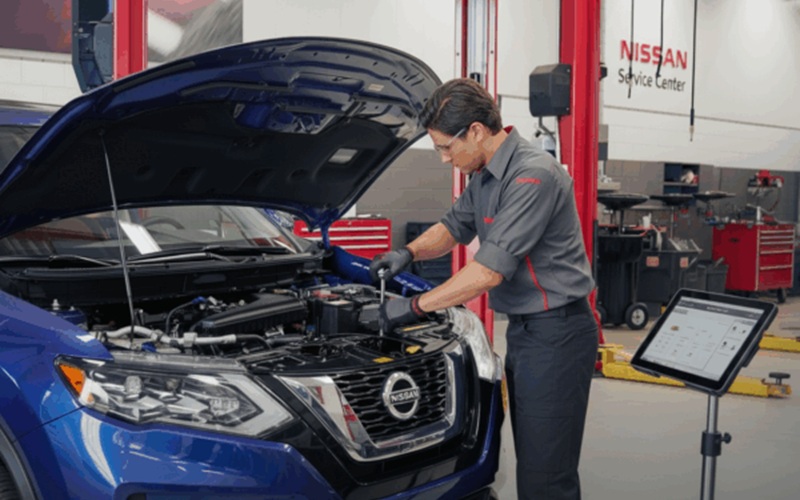
Nissan Service: What Brake Service Is Typically Required?
Brake service on Nissan vehicles typically involves inspection, maintenance, and replacement of components that influence stopping performance, vehicle stability, and braking efficiency. Common brake services include brake pad replacement, brake rotor inspection or replacement, brake calliper servicing, hydraulic brake fluid maintenance, Anti-lock Braking System (ABS) diagnostics, electronic brake system evaluations, and comprehensive brake inspections. Nissan […]
Brake service on Nissan vehicles typically involves inspection, maintenance, and replacement of components that influence stopping performance, vehicle stability, and braking efficiency. Common brake services include brake pad replacement, brake rotor inspection or replacement, brake calliper servicing, hydraulic brake fluid maintenance, Anti-lock Braking System (ABS) diagnostics, electronic brake system evaluations, and comprehensive brake inspections.
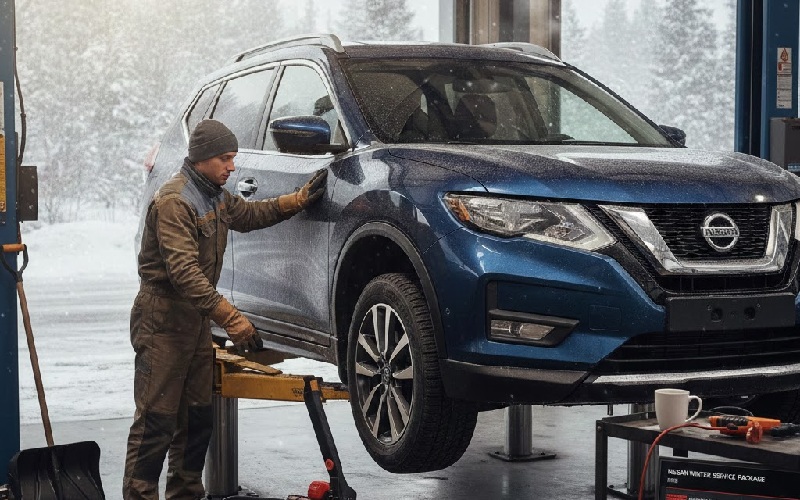
Nissan technicians evaluate brake condition using both visual inspections and measurement procedures. Service recommendations are based on component wear, braking performance, hydraulic system condition, electronic system diagnostics, and manufacturer maintenance requirements.
Because Canadian driving conditions expose vehicles to snow, ice, road salt, moisture, and temperature extremes, brake inspections often focus on corrosion-related concerns and seasonal wear patterns that may affect braking performance.
The exact service requirements vary by vehicle model, driving habits, mileage, and environmental conditions, but regular brake inspections remain one of the most important maintenance procedures performed on Nissan vehicles.
2026 Nissan Braking System Architecture
Modern Nissan braking systems combine mechanical, hydraulic, and electronic technologies to provide controlled stopping performance under a wide range of operating conditions.
Several interconnected systems work together:
- Brake pedal assembly
- Hydraulic brake system
- Brake pads
- Brake rotors
- Brake calipers
- Brake fluid circuits
- ABS components
- Electronic brake controls
- Vehicle stability systems
The braking system converts vehicle motion into thermal energy through friction between brake pads and brake rotors. At the same time, electronic control systems continuously monitor wheel behaviour and vehicle dynamics.
On current Nissan vehicles, braking performance is supported by systems such as:
- Anti-lock Braking System (ABS)
- Electronic Brake-force Distribution (EBD)
- Vehicle Dynamic Control (VDC)
- Traction Control System (TCS)
- Electronic parking brake systems on equipped models
Because these systems share information and operate together, brake service often includes both mechanical inspections and electronic diagnostics. Nissan service procedures are designed to evaluate the complete braking system rather than focusing on a single component in isolation.
Component Breakdown
Brake Pads
Brake pads are friction materials mounted within the brake calliper assembly. When the brake pedal is pressed, the pads are forced against the brake rotor, creating friction that slows the vehicle.
Nissan Service Evaluation
Technicians typically inspect:
- Remaining friction material thickness
- Wear patterns
- Heat-related damage
- Surface condition
Measurements are compared with Nissan service specifications to determine whether replacement is necessary.
Common Service
Brake pad replacement is one of the most frequently performed brake services because pads are designed as wear items.
Brake Rotors
Brake rotors are metal discs attached to the wheel hubs. The rotor provides the friction surface that interacts with the brake pads.
Nissan Service Evaluation
Rotor inspections may include:
- Thickness measurement
- Surface condition assessment
- Heat checking
- Corrosion inspection
- Runout measurement
Canadian winter conditions can accelerate rotor corrosion, particularly on vehicles exposed to road salt.
Common Service
Depending on condition, rotors may require:
- Inspection only
- Refinishing where permitted
- Replacement
Service decisions are based on Nissan specifications and measured rotor condition.
Brake Calipers
Brake callipers are hydraulic components that apply force to the brake pads. When hydraulic pressure is generated, the calliper presses the pads against the rotor.
Nissan Service Evaluation
Technicians inspect:
- Caliper movement
- Seal condition
- Corrosion
- Mounting hardware
- Hydraulic integrity
Proper calliper operation is necessary for even brake pad wear and balanced braking performance.
Common Service
Brake service may include:
- Caliper lubrication
- Hardware servicing
- Component replacement when necessary
Hydraulic Brake Fluid
Brake fluid is a specialized hydraulic fluid that transfers force from the brake pedal to the braking components. When the brake pedal is pressed, brake fluid transmits hydraulic pressure throughout the system.
Nissan Service Evaluation
Brake fluid inspections typically assess:
- Fluid level
- Moisture contamination
- Fluid condition
- System integrity
Common Service
Brake fluid replacement may be recommended according to maintenance requirements or fluid condition. Because brake fluid can absorb moisture over time, maintaining proper fluid quality is important for consistent braking performance.
ABS Components
The Anti-lock Braking System uses sensors and electronic controls to help prevent wheel lockup during braking. ABS monitors wheel rotation and can adjust brake pressure rapidly when necessary.
Nissan Service Evaluation
ABS inspections may include:
- Wheel speed sensor testing
- Diagnostic scans
- Wiring inspections
- Module communication verification
Common Service
ABS service is typically diagnostic in nature and may involve component replacement when faults are identified.
Electronic Brake Systems
Electronic brake systems include the electronic controls that assist with braking, stability, and traction management. These systems coordinate braking functions using information from multiple vehicle sensors.
Examples include:
- Vehicle Dynamic Control
- Electronic Brake-force Distribution
- Traction control functions
- Electronic parking brake systems
Nissan Service Evaluation
Technicians may perform:
- Diagnostic scans
- Software checks
- Sensor evaluations
- Functional testing
Electronic systems play a significant role in modern Nissan braking performance.
Wear Indicators
Wear indicators notify drivers when brake components approach replacement thresholds.
Depending on the vehicle, wear indicators may be:
- Mechanical indicators
- Electronic monitoring systems
- Dashboard warnings
Nissan Service Evaluation
Technicians verify indicator operation and confirm component condition during inspections. Wear indicators provide early warning of developing service requirements.
Brake Inspections
A brake inspection is a comprehensive evaluation of braking system condition.
Nissan brake inspections commonly assess:
- Pad thickness
- Rotor condition
- Hydraulic components
- Brake fluid
- Calipers
- Electronic systems
- Brake hardware
Inspection results help determine whether maintenance or repairs are necessary.
Cold Weather Considerations
Canadian winter conditions create unique challenges for braking systems.
Corrosion Exposure
Road salt and moisture can accelerate corrosion on:
- Brake rotors
- Caliper housings
- Brake hardware
- Mounting components
Corrosion can affect component movement and braking consistency if left unaddressed.
Rotor Surface Rust
Light surface rust commonly forms on brake rotors after exposure to moisture. Normal braking typically removes minor surface corrosion. However, prolonged exposure may contribute to uneven rotor wear.
Calliper Movement Concerns
Freeze-thaw cycles and road contaminants can affect calliper hardware.
Technicians often inspect:
- Slide pins
- Mounting points
- Protective boots
Proper movement helps maintain even braking force distribution.
Brake Fluid Performance
Brake fluid condition becomes increasingly important during temperature extremes. Moisture contamination can reduce fluid performance and influence braking characteristics. Regular fluid inspections help maintain hydraulic system reliability.
ABS and Stability System Operation
Snow-covered and icy roads increase the frequency of ABS and stability control interventions.
Because these systems rely on sensor accuracy, inspections often include evaluation of:
- Wheel speed sensors
- Electrical connections
- Control modules
Proper operation supports vehicle stability during winter driving.
Winter Brake Inspections
Seasonal brake inspections often focus on:
- Corrosion development
- Pad wear
- Rotor condition
- Brake fluid quality
- Electronic brake system operation
These inspections help identify issues that may become more noticeable during winter driving conditions.
At Cochrane Nissan, technicians frequently perform winter-focused brake evaluations because Canadian operating environments place additional demands on both mechanical and electronic braking components.
Nissan Braking Service FAQ
What brake component wears out most frequently on Nissan vehicles?
Brake pads are typically the most frequently replaced brake components because they are designed to wear gradually during normal braking operation.
How do Nissan technicians determine if brake pads need replacement?
Technicians measure the remaining friction material thickness and compare it with Nissan service specifications while also evaluating wear patterns and overall condition.
Why is brake fluid service important?
Brake fluid transfers hydraulic pressure throughout the braking system. Over time, moisture contamination can affect performance and may require fluid replacement.
Can Canadian winters affect brake system condition?
Yes. Snow, moisture, road salt, and freeze-thaw cycles can contribute to corrosion, rotor wear, calliper concerns, and increased demands on ABS and stability systems.
What is included in a Nissan brake inspection?
A brake inspection typically includes evaluation of brake pads, rotors, callipers, hydraulic fluid, brake hardware, ABS components, electronic braking systems, and overall braking performance.
Disclaimer: Content contained in this post is for informational purposes only and may include features and options from US or internacional models. Please contact the dealership for more information or to confirm vehicle, feature availability.