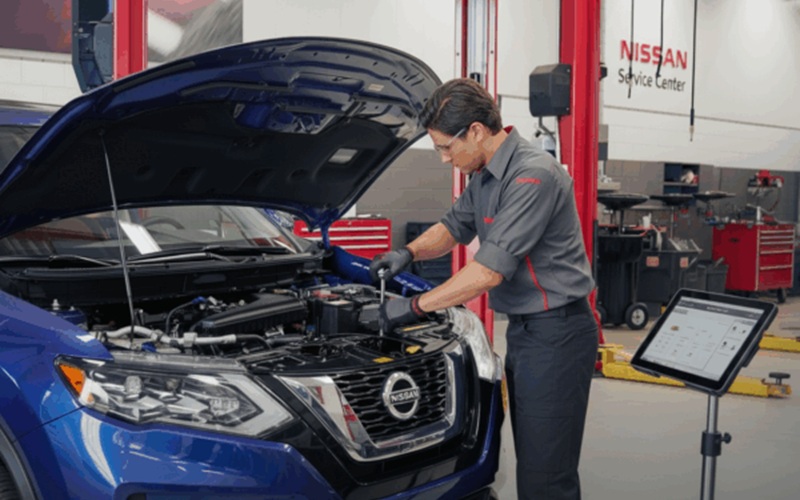
2026 Nissan Service: What is Preventive Maintenance?
Preventive Nissan Service helps Canadian owners maintain long-term vehicle reliability by following manufacturer-recommended maintenance schedules that include inspections, fluid replacement, brake service, tire maintenance, diagnostic checks and seasonal preparations. Rather than waiting for components to fail, preventive maintenance identifies normal wear before it affects vehicle performance, safety or efficiency. Nissan’s maintenance approach also supports the […]
Preventive Nissan Service helps Canadian owners maintain long-term vehicle reliability by following manufacturer-recommended maintenance schedules that include inspections, fluid replacement, brake service, tire maintenance, diagnostic checks and seasonal preparations. Rather than waiting for components to fail, preventive maintenance identifies normal wear before it affects vehicle performance, safety or efficiency. Nissan’s maintenance approach also supports the operation of advanced driver assistance systems, powertrain components and electronic control systems throughout the vehicle’s service life.

What Is Included in Nissan Service?
Nissan Service combines scheduled inspections, preventive maintenance and diagnostic evaluations designed specifically for Nissan vehicles sold in Canada.
Preventive maintenance is the process of servicing vehicle components before wear develops into mechanical problems. Rather than repairing failed parts, preventive maintenance focuses on preserving normal operation through routine inspections and timely replacement of fluids and service items.
Modern Nissan vehicles integrate numerous mechanical, hydraulic and electronic systems that work together to deliver performance, efficiency and safety. Regular service helps ensure these systems continue operating within their intended specifications.
Depending on the vehicle and maintenance schedule, Nissan Service may include:
- Engine oil replacement
- Oil filter replacement
- Tire rotation
- Brake inspection
- Brake fluid inspection
- Engine air filter inspection or replacement
- Cabin air filter inspection or replacement
- Cooling system inspection
- Drive belt inspection
- Battery inspection
- Suspension inspection
- Steering component inspection
- Windshield wiper inspection
- Windshield washer system inspection
- Diagnostic system checks
- Fluid level inspections
Each maintenance procedure contributes to protecting one or more major vehicle systems, helping preserve overall reliability throughout ownership.
Scheduled Maintenance Requirements
Scheduled maintenance addresses normal wear before it affects vehicle operation.
Every Nissan maintenance schedule is designed to account for gradual changes in fluid condition, mechanical wear and environmental exposure.
Engine Oil and Oil Filter
Engine oil lubricates moving engine components while also helping remove heat and suspend contaminants produced during combustion.
As oil ages, it gradually loses its ability to provide optimal lubrication because of:
- Heat cycles
- Oxidation
- Fuel dilution
- Moisture accumulation
- Combustion deposits
Replacing the oil filter at the same time helps remove trapped contaminants from the lubrication system. Following Nissan’s recommended maintenance intervals helps preserve engine efficiency and long-term durability.
Brake Fluid
Brake fluid transfers hydraulic pressure throughout the braking system. Over time, brake fluid naturally absorbs moisture from the atmosphere, which can reduce braking consistency and contribute to internal corrosion.
Routine inspection and replacement according to Nissan’s maintenance recommendations help maintain:
- Hydraulic pressure
- Brake response
- Internal component protection
Engine Air Filter
The engine air filter prevents airborne contaminants from entering the engine.
A clean filter supports:
- Proper airflow
- Combustion efficiency
- Engine performance
- Reduced internal wear
Vehicles driven on gravel roads or in dusty environments may require more frequent inspections.
Cabin Air Filter
The cabin air filter removes dust, pollen and airborne particles before outside air enters the passenger compartment.
Replacing the filter helps maintain:
- Interior air quality
- Heating performance
- Air conditioning airflow
- Ventilation efficiency
Canadian seasonal conditions can accelerate filter contamination through pollen, dust and road debris.
Tire Rotation
Tire rotation changes each tire’s position on the vehicle to promote more even tread wear. Because front and rear tires experience different steering, braking and acceleration forces, periodic rotation helps maintain balanced vehicle handling while maximizing tire service life.
Brake Inspection
Routine brake inspections evaluate:
- Brake pad wear
- Brake rotor condition
- Brake calliper operation
- Brake hoses
- Brake lines
- Parking brake function
Maintaining braking performance also supports Nissan’s electronic safety technologies that depend on consistent brake operation.
Seasonal Service Considerations in Canada
Canadian weather creates additional maintenance requirements throughout the year.
Seasonal maintenance prepares Nissan vehicles for temperature extremes, changing road conditions and increased environmental exposure.
Winter Preparation
Cold weather affects many vehicle systems at once.
Before winter, inspections commonly include:
- Battery condition
- Cooling system
- Tire condition
- Tire pressure
- Windshield washer fluid
- Windshield wiper blades
- Exterior lighting
- Heating system
- Defroster operation
Battery performance naturally decreases in low temperatures, making pre-winter inspections especially important.
Cooling System
The cooling system regulates engine operating temperature throughout both summer and winter.
Proper coolant condition helps:
- Prevent freezing
- Prevent overheating
- Reduce corrosion
- Protect cooling system components
Routine inspection helps verify coolant remains capable of protecting the engine during Canadian temperature extremes.
Road Salt Exposure
Road salt improves winter driving conditions but increases corrosion exposure.
Regular underbody cleaning helps remove salt from:
- Suspension components
- Brake assemblies
- Frame structures
- Fuel and brake lines
Reducing salt accumulation helps preserve long-term vehicle condition.
Tire Pressure
Air pressure naturally decreases as outside temperatures fall.
Routine tire pressure inspections help maintain:
- Vehicle stability
- Steering response
- Braking performance
- Tire wear
Proper inflation also supports the operation of electronic safety systems.
Summer Preparation
Warmer weather increases thermal loads on several vehicle systems.
Seasonal inspections help verify the condition of:
- Cooling system
- Air conditioning system
- Fluid levels
- Drive belts
These inspections become particularly valuable before extended highway travel.
Diagnostic Inspections and Vehicle Health
Modern Nissan vehicles continuously monitor system performance using onboard diagnostic technology.
Electronic diagnostics complement traditional visual inspections by monitoring hundreds of vehicle operating parameters.
Control modules supervise systems including:
- Engine management
- Transmission operation
- Braking
- Steering
- Emissions
- Driver assistance technologies
When diagnostic systems detect irregular operating conditions, they can record information that helps technicians identify developing issues.
Electronic Health Monitoring
Sensors throughout the vehicle continuously measure variables such as:
- Engine temperature
- Airflow
- Fuel delivery
- Wheel speed
- Steering angle
- Brake pressure
Comparing these measurements with expected operating values helps identify abnormalities before they become major failures.
Driver Assistance Systems
Many Canadian Nissan models incorporate Nissan Safety Shield® 360 technologies and other driver assistance systems.
Routine inspections help verify the proper operation of:
- Cameras
- Radar sensors
- Ultrasonic sensors where equipped
- Associated electronic control systems
Maintaining these technologies supports accurate driver assistance performance.
Battery and Charging System
Electronic diagnostics also evaluate charging system operation.
Stable battery voltage is essential because modern Nissan vehicles rely heavily on electronic control modules that manage powertrain, safety and convenience systems.
Long-Term Ownership Benefits
Consistent preventive maintenance helps preserve reliability, safety and overall vehicle performance throughout ownership.
Routine maintenance protects major vehicle systems by reducing unnecessary wear before problems become significant.
Benefits include:
- Improved engine durability
- More consistent braking performance
- Predictable steering response
- Better tire longevity
- Reliable climate control operation
- Stable electronic system performance
Maintaining complete service records also documents maintenance history and helps owners monitor future service requirements.
Preventive maintenance becomes particularly valuable during long-term ownership because small issues can often be addressed before they affect additional vehicle systems.
Commonly Overlooked Maintenance Items
Several important maintenance items receive less attention than oil changes but remain essential to long-term vehicle health.
Windshield Wiper Blades
Wiper blades gradually deteriorate because of:
- Sunlight
- Snow
- Ice
- Dirt
- Temperature fluctuations
Replacing worn blades helps maintain visibility during rain and winter driving.
Windshield Washer Fluid
Canadian driving frequently requires extensive windshield cleaning because of snow, slush and road salt. Maintaining washer fluid formulated for freezing temperatures helps preserve visibility throughout winter.
Battery Terminals
Battery terminals should remain clean and free from corrosion. Poor electrical connections can affect starting performance and charging efficiency.
Exterior Lighting
Routine inspection of headlights, taillights, brake lights and turn signals helps maintain visibility and communication with other road users.
Tire Tread
Even when tires remain properly inflated, tread depth gradually decreases over time. Regular tread inspections help preserve traction on wet, snowy and icy Canadian roads.
Conclusion
Preventive Nissan Service plays an essential role in preserving the long-term reliability, safety and performance of Nissan vehicles. Through scheduled maintenance, fluid replacement, brake inspections, tire service, seasonal preparation and diagnostic evaluations, owners can help protect major vehicle systems before normal wear develops into more significant mechanical concerns.
Canadian driving conditions—including freezing temperatures, road salt, changing seasons and varying road surfaces—place additional demands on vehicle components throughout the year. Following Nissan’s manufacturer-recommended maintenance schedule helps vehicles remain prepared for these conditions while supporting dependable operation over many years of ownership. Preventive maintenance is not simply about replacing parts—it is a comprehensive approach to maintaining the health of every major vehicle system.
Nissan Service FAQ
1. What is preventive maintenance on a Nissan vehicle?
Preventive maintenance consists of scheduled inspections and service procedures performed before wear develops into mechanical problems. It includes fluid replacement, brake inspections, tire service and routine system checks.
2. Why are diagnostic inspections important?
Modern Nissan vehicles continuously monitor vehicle systems using onboard electronics. Diagnostic inspections help identify developing issues early, allowing maintenance before more significant problems occur.
3. Why should brake fluid be replaced periodically?
Brake fluid gradually absorbs moisture over time, which can reduce hydraulic performance and contribute to internal corrosion. Replacing it according to Nissan’s maintenance schedule helps preserve braking performance.
4. How does Canadian winter weather affect maintenance?
Cold temperatures, road salt and changing weather increase the importance of battery inspections, cooling system maintenance, tire pressure checks, underbody cleaning and winter washer fluid.
5. Why is tire rotation included in scheduled maintenance?
Rotating tires promotes even tread wear by balancing the different loads experienced by the front and rear tires. This helps maintain predictable handling, braking performance and tire longevity.
Disclaimer: Content contained in this post is for informational purposes only and may include features and options from US or internacional models. Please contact the dealership for more information or to confirm vehicle, feature availability.