2026 Nissan Rogue: What Safety Systems Are Standard?
Vehicle safety systems have evolved significantly over the past decade, integrating advanced electronics, sensors, and automated assistance technologies. The new Nissan Rogue includes a comprehensive set of safety systems designed to help drivers maintain awareness, avoid potential hazards, and maintain control in various road conditions. These safety systems combine cameras, radar sensors, and vehicle control […]
Vehicle safety systems have evolved significantly over the past decade, integrating advanced electronics, sensors, and automated assistance technologies. The new Nissan Rogue includes a comprehensive set of safety systems designed to help drivers maintain awareness, avoid potential hazards, and maintain control in various road conditions.
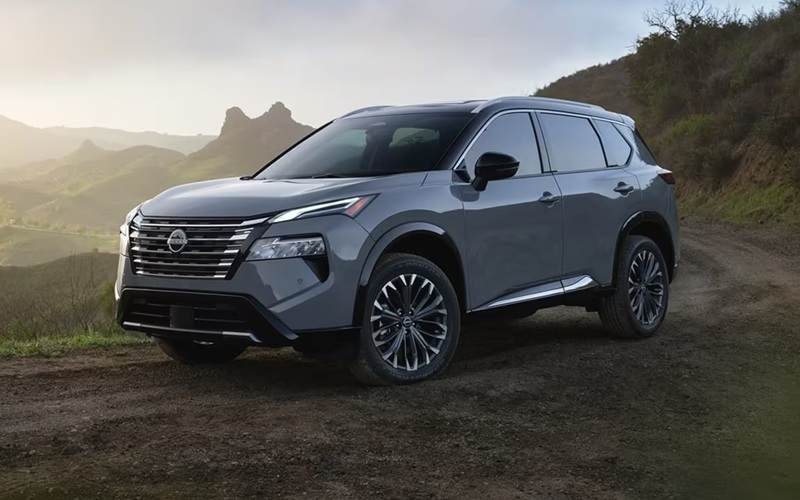
These safety systems combine cameras, radar sensors, and vehicle control modules that constantly analyze the driving environment. By processing real-time data on nearby vehicles, lane markings, and vehicle motion, the Rogue can provide alerts and assistive responses to support safer driving behaviour.
Nissan Rogue Modern Automotive Safety Systems
Vehicle safety technologies generally fall into two categories:
- Active safety systems, which help prevent accidents before they occur
- Passive safety systems, which help protect occupants if a collision happens
The Nissan Rogue integrates both categories through electronic driver assistance systems and structural occupant protection features.
Active safety systems rely on sensors, cameras, and radar to detect potential hazards, while passive safety systems focus on structural protection and occupant restraints.
Sensor Technologies Used in Safety Systems
Forward Camera System
A forward-facing camera mounted near the windshield monitors the road ahead. The camera identifies lane markings, vehicles, pedestrians, and other obstacles.
This information is transmitted to the vehicle’s electronic control modules, which analyze the data and determine whether a safety system should provide a warning or intervention.
Radar Sensors
Radar sensors use radio waves to measure the distance and speed of objects around the vehicle. These sensors are commonly positioned near the front and rear of the vehicle.
Radar systems help detect:
- Vehicles travelling ahead
- Vehicles approaching from behind
- Cross traffic when reversing
By combining radar and camera inputs, the Rogue can better identify potential hazards.
Forward Collision Warning and Automatic Emergency Braking
Collision Detection
Forward collision warning systems monitor the distance between the Rogue and vehicles ahead.
If the system determines that the vehicle is approaching another vehicle too quickly, it can issue a warning to the driver.
Emergency Braking Assistance
If the driver does not respond to the warning and the risk of collision increases, automatic emergency braking can apply braking force to reduce speed.
The purpose of this system is to reduce the likelihood of a collision or lessen the severity of an impact.
Lane Departure Warning
Lane Monitoring
Lane departure warning uses the forward-facing camera to detect lane markings on the road.
If the vehicle begins to drift outside its lane without the driver activating a turn signal, the system can alert the driver.
Driver Alerts
Alerts may include visual indicators on the instrument panel or audible warnings.
These warnings encourage the driver to correct the vehicle’s path and return to the center of the lane.
Blind Spot Monitoring
Detecting Vehicles in Adjacent Lanes
Blind spot monitoring uses radar sensors to detect vehicles travelling in areas that may not be visible in the side mirrors.
When another vehicle enters the blind spot area, the system can activate an indicator light in the side mirror.
Lane Change Alerts
If the driver activates a turn signal while another vehicle is detected in the blind spot, the system may provide additional warnings.
This feature helps reduce the risk of collisions during lane changes.
Rear Cross Traffic Alert
Monitoring Behind the Vehicle
Rear cross-traffic alert assists drivers when reversing from parking spaces.
Radar sensors monitor the area behind the vehicle and detect vehicles approaching from either side.
Driver Warnings
If cross traffic is detected while the vehicle is reversing, the system provides visual or audible warnings to alert the driver.
This helps reduce the risk of collisions in parking areas where visibility may be limited.
Adaptive Cruise Control
Maintaining Safe Following Distance
Adaptive cruise control expands traditional cruise control functionality by automatically adjusting vehicle speed based on traffic conditions.
Radar sensors measure the distance between the Rogue and the vehicle ahead.
Speed Adjustment
If the vehicle ahead slows down, the system can reduce throttle input and apply braking to maintain a safe following distance.
When traffic speeds increase again, the system gradually returns to the driver’s selected cruising speed.
Electronic Stability Control
Monitoring Vehicle Motion
Electronic stability control monitors how the vehicle responds to steering inputs and road conditions.
Sensors measure:
- Steering angle
- Wheel speeds
- Vehicle rotation
- Lateral movement
Stability Correction
If the system detects that the vehicle is beginning to lose traction or stability, it can apply braking force to individual wheels.
This helps restore vehicle stability and maintain directional control.
Traction Control System
Traction control works alongside stability control to maintain grip during acceleration.
If the system detects that a wheel is spinning due to loss of traction, it can reduce engine power or apply braking to the spinning wheel.
This system helps improve traction on surfaces such as snow, wet pavement, or loose gravel.
Anti-Lock Braking System
The anti-lock braking system prevents the wheels from locking during heavy braking.
Wheel speed sensors detect when a wheel begins to stop rotating while the vehicle is still moving.
The system rapidly adjusts brake pressure to allow the wheels to continue rotating, which helps maintain steering control.
Passive Safety Systems
Passive safety systems help protect occupants in a collision.
These systems include:
- Airbags are located throughout the cabin
- Seatbelt pretensioners
- Reinforced passenger safety cell
- Energy-absorbing crumple zones
Crumple zones absorb impact energy and reduce the forces transferred to occupants during a collision.
Integrated Safety Control Systems
Modern safety technologies operate together through electronic control modules that process information from sensors around the vehicle.
These systems continuously evaluate driving conditions and determine whether alerts or automatic assistance are required.
2026 Nissan Rogue FAQ Section
What safety systems are standard in the 2026 Nissan Rogue?
- It includes driver-assistance technologies such as forward collision warning, automatic emergency braking, lane departure warning, blind-spot monitoring, and stability control systems.
How does automatic emergency braking work?
- The system monitors the distance to vehicles ahead and can automatically brake if a potential collision is detected and the driver does not respond.
What does blind spot monitoring do?
- Blind spot monitoring uses radar sensors to detect vehicles in adjacent lanes that may not be visible in the mirrors.
How does adaptive cruise control help drivers?
- Adaptive cruise control maintains a selected speed while automatically adjusting vehicle speed to maintain a safe following distance.
What is electronic stability control?
- Electronic stability control helps maintain vehicle stability by adjusting braking force at individual wheels if the system detects loss of traction or directional control.
Disclaimer: Content contained in this post is for informational purposes only and may include features and options from US or internacional models. Please contact the dealership for more information or to confirm vehicle, feature availability.