2026 Nissan Pathfinder: What Engines Are Available?
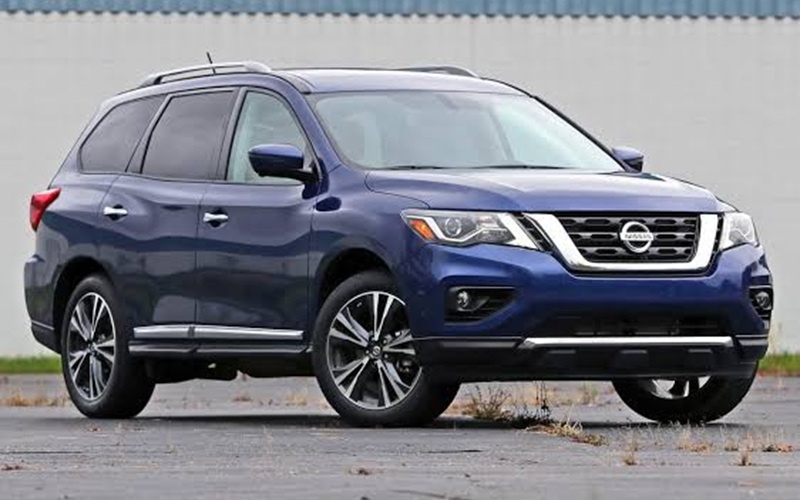
The Nissan Pathfinder is a mid-size sport utility vehicle designed to balance passenger capacity, towing capability, and everyday driving comfort. One of the most important factors influencing a vehicle’s performance and capability is its engine. The engine generates the mechanical power required to move the vehicle, accelerate, and maintain speed in different driving conditions. Modern […]
The Nissan Pathfinder is a mid-size sport utility vehicle designed to balance passenger capacity, towing capability, and everyday driving comfort. One of the most important factors influencing a vehicle’s performance and capability is its engine. The engine generates the mechanical power required to move the vehicle, accelerate, and maintain speed in different driving conditions.

Modern SUV engines combine advanced combustion technology, electronic control systems, and optimized airflow to improve efficiency and performance. In the Pathfinder, the engine works together with the transmission, drivetrain, and vehicle control systems to provide the power necessary for both urban driving and longer highway travel.
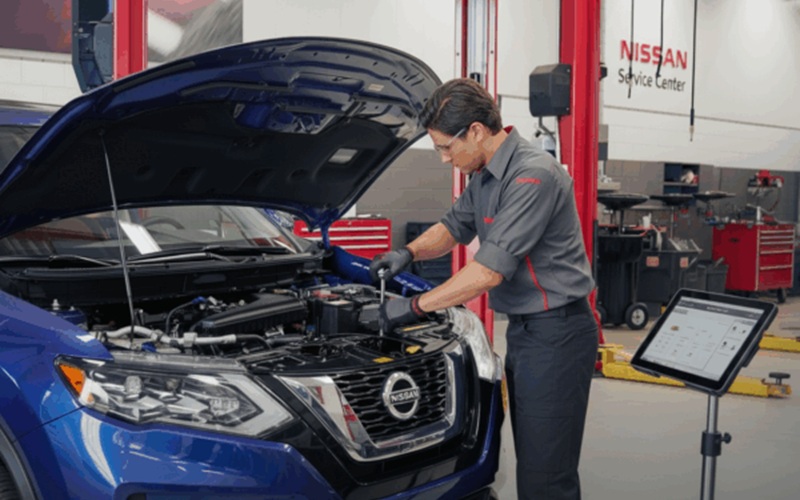
2026 Nissan Pathfinder Engine
The engine installed in the Pathfinder provides sufficient torque and power for a vehicle that may carry several passengers and cargo. Larger SUVs typically require engines capable of delivering strong performance while maintaining reliability over long operating periods.
The primary components of the engine system include:
- Engine block and cylinder heads
- Pistons and connecting rods
- Crankshaft
- Fuel injection system
- Air intake system
- Cooling system
- Exhaust system
- Engine control module
Each component contributes to the process of converting fuel energy into mechanical motion.
V6 Engine Configuration
Cylinder Layout
The Pathfinder uses a V6 engine configuration, which means the engine contains six cylinders arranged in two rows forming a “V” shape.
This layout provides several advantages:
- Smooth engine operation
- Strong torque production
- Compact engine packaging relative to cylinder count
The V-shaped configuration allows the engine to remain relatively compact while still providing the power required for a larger vehicle.
Engine Displacement
Engine displacement refers to the total volume of all cylinders within the engine.
Larger displacement engines can process more air and fuel during each combustion cycle. This allows the engine to produce greater power and torque, which can be beneficial for tasks such as towing or climbing steep grades.
The displacement of the Pathfinder engine is designed to provide a balance between power output and fuel efficiency.
Internal Combustion Process
Four-Stroke Engine Cycle
Like most modern gasoline engines, the Pathfinder engine operates using a four-stroke combustion cycle.
The cycle includes four stages:
- Intake stroke – Air and fuel enter the cylinder.
- Compression stroke – The piston compresses the air–fuel mixture.
- Power stroke – A spark plug ignites the mixture, producing combustion.
- Exhaust stroke – Burned gases exit through the exhaust valves.
These steps repeat continuously while the engine is operating.
Crankshaft and Power Delivery
The force created during combustion pushes the pistons downward. Pistons are connected to the crankshaft through connecting rods.
As pistons move up and down, the crankshaft converts this motion into rotational energy. This rotational force is transmitted through the drivetrain to move the vehicle.
Fuel Injection System
Electronic Fuel Delivery
Modern engines use electronically controlled fuel injection systems to deliver fuel into the combustion chamber.
Fuel injectors spray a precise amount of fuel as a fine mist so it can mix efficiently with incoming air.
Precise fuel delivery improves:
- Combustion efficiency
- Engine performance
- Emissions control
Fuel System Components
The fuel system includes several important components:
- Fuel pump
- Fuel lines
- Fuel injectors
- Fuel pressure regulators
Sensors measure operating conditions and send data to the engine control module so the correct amount of fuel can be delivered.
Air Intake System
Supplying Air for Combustion
For combustion to occur, the engine requires a steady supply of clean air. The air intake system manages this airflow.
Key intake components include:
- Air filter
- Intake ducts
- Throttle body
- Airflow sensors
The air filter removes particles and debris from incoming air before it enters the engine.
Throttle Control
The throttle body regulates how much air enters the engine.
When the driver presses the accelerator pedal, the throttle opens wider, allowing more air to enter the intake system. The engine control module then adjusts fuel injection to match the increased airflow.
Cooling System
Managing Engine Temperature
Combustion inside the engine produces significant heat. The cooling system prevents overheating and helps maintain proper operating temperatures.
Coolant circulates through channels in the engine block and cylinder heads to absorb heat generated during combustion.
Cooling System Components
The cooling system typically includes:
- Radiator
- Water pump
- Thermostat
- Cooling hoses
- Cooling fans
The radiator releases heat absorbed by the coolant into the surrounding air.
Maintaining a stable temperature helps prevent engine damage and ensures efficient operation.
Exhaust System
Removing Combustion Gases
After combustion occurs, exhaust gases exit the cylinders through the exhaust valves and flow into the exhaust manifold.
From there, the gases move through the exhaust system, which includes:
- Catalytic converter
- Exhaust piping
- Muffler
Emissions Reduction
The catalytic converter helps reduce harmful gases produced during combustion by converting them into less harmful compounds before they exit the vehicle.
Engine Control Module
Electronic Engine Management
The engine control module acts as the vehicle’s primary engine management computer.
It receives information from sensors that monitor:
- Engine speed
- Air intake flow
- Oxygen levels in the exhaust
- Engine temperature
Based on this data, the control module adjusts fuel injection timing, ignition timing, and other engine parameters to maintain efficient operation.
Diagnostic Monitoring
The system also monitors engine performance and can detect irregularities in operation.
If a system problem is detected, the vehicle may activate warning indicators on the dashboard.
Engine Interaction With the Drivetrain
The engine produces rotational power, but this energy must be transmitted to the wheels through the drivetrain.
The drivetrain includes components such as:
- Transmission
- Driveshaft
- Differential
- Axles
The transmission adjusts gear ratios so the engine can operate efficiently at different vehicle speeds.
Lower gears provide higher torque for acceleration or towing, while higher gears allow the engine to operate at lower speeds when cruising on highways.
2026 Nissan Pathfinder FAQ Section
What engine is available in the 2026 Nissan Pathfinder?
- This SUV uses a gasoline V6 engine designed to provide balanced power and efficiency for a mid-size SUV.
Why do larger SUVs use V6 engines?
- V6 engines provide higher torque and power compared with smaller engines, which helps support heavier vehicles and towing requirements.
How does fuel injection improve engine performance?
- Fuel injection delivers precise amounts of fuel into the engine cylinders, allowing efficient combustion and improved engine control.
What keeps the engine from overheating?
- The cooling system circulates coolant through the engine and radiator to remove heat produced during combustion.
What does the engine control module do?
- The engine control module monitors engine conditions and adjusts fuel delivery, ignition timing, and other parameters to maintain efficient engine operation.
Disclaimer: Content contained in this post is for informational purposes only and may include features and options from US or internacional models. Please contact the dealership for more information or to confirm vehicle, feature availability.